Retaining Wall Construction Across NSW, Backed by 38+ Years of Experience
Designed for Stability. Built for Real Conditions.
Foster’s Earthworks & Contracting delivers retaining wall construction NSW property owners can trust, with every wall planned around soil, drainage, and load, not guesswork. Built to manage slopes, support loads, and maintain long-term ground stability.
Ready to Start Your Next Project?
Please call us for same day service
RETAINING WALL CONSTRUCTION NSW SERVICES
Retaining wall services involve more than placing materials in the ground. Proper construction requires an understanding of soil behaviour, water flow, load pressure, and council or engineering requirements.
- Retaining wall services may include:
- New retaining wall construction
- Replacement of failing or collapsed retaining walls
- Structural and landscape retaining walls
- Drainage installation behind retaining walls
- Site preparation and earthworks coordination
Every retaining wall is planned with a focus on structural integrity, water management, and long-term durability.

Types of Retaining Walls
Different retaining wall systems suit different site conditions, wall heights, and load requirements. The most suitable option is determined after assessing the slope, soil type, drainage needs, and intended use of the area.
Timber Retaining Walls
Timber retaining walls are commonly used for smaller residential applications. They may suit garden beds, boundary walls, and low-height retention where loads are lighter.
Concrete Sleeper Retaining Walls
Concrete sleeper walls offer strength and durability and are often used where higher walls or heavier loads are involved. They are commonly selected for driveways, boundaries, and sloping blocks.
Concrete Block or Masonry Walls
Masonry retaining walls are typically used where structural performance and longevity are priorities. These walls may require engineering depending on height and load conditions.
Rock and Boulder Retaining Walls
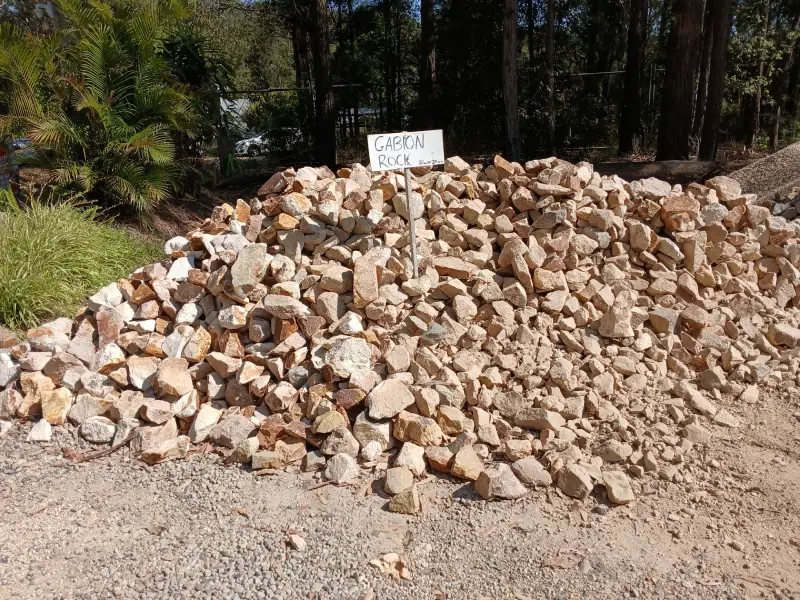
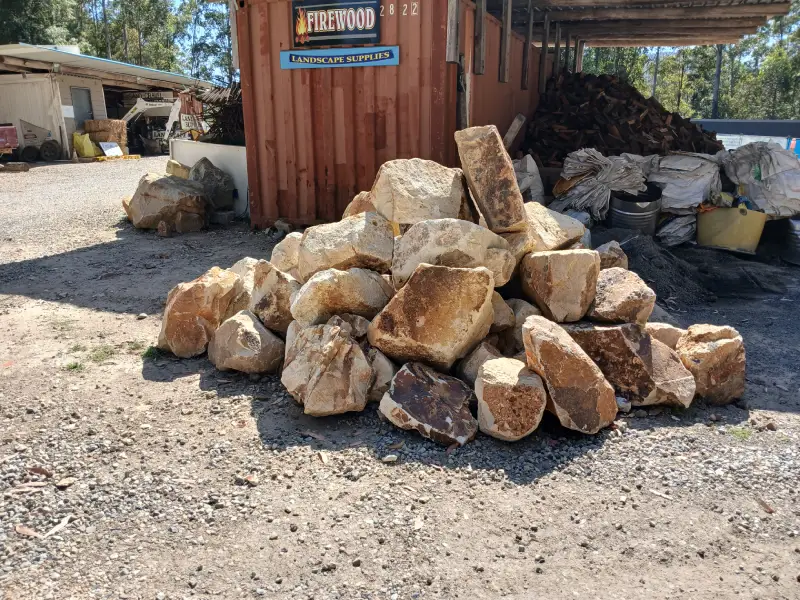
A rock retaining wall is often used in rural or natural settings, alongside boulder options. They may suit erosion control, landscaping, and larger land-shaping projects where appearance and mass are important.
Residential Retaining Walls
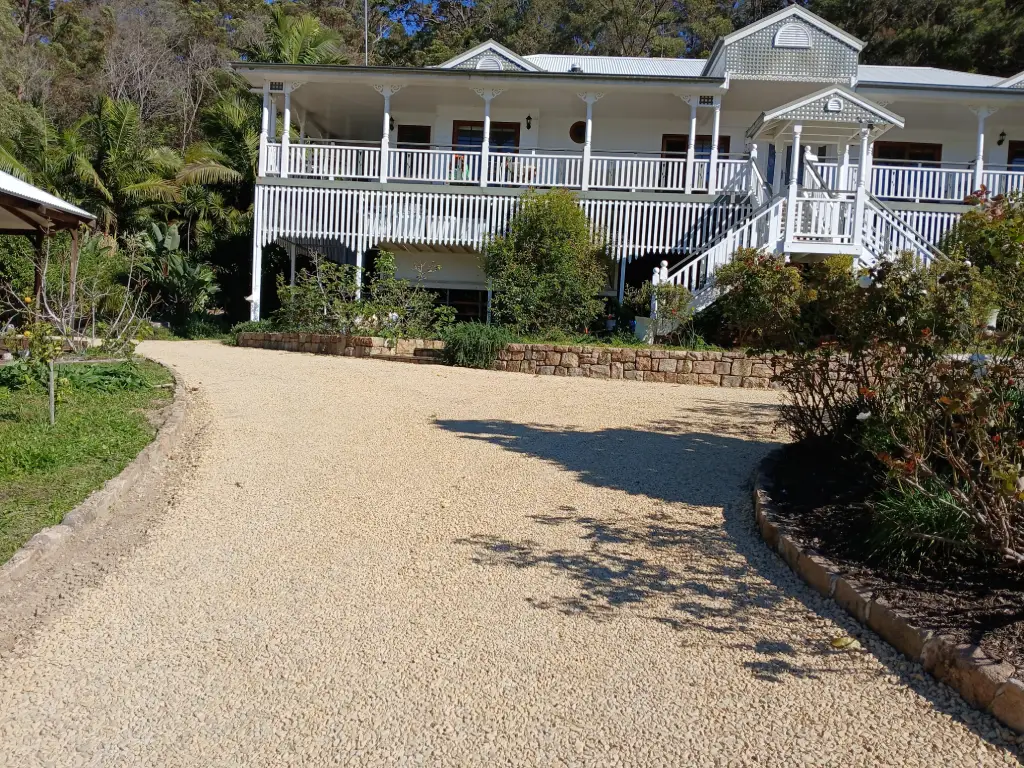
Residential retaining walls are commonly installed to manage sloping blocks, create level outdoor areas, and support driveways or boundary fencing. When designed correctly, they may help improve drainage and reduce soil movement around the home.
- Residential retaining wall projects may include:
- Garden and landscaping retention
- Driveway and access support
- Boundary and fence support
- Yard levelling and usable space creation
Each residential project is planned to suit the property layout and surrounding structures.
Commercial & Rural Retaining Walls
Commercial and rural retaining walls often involve larger loads, higher walls, and more complex drainage requirements. These projects may require engineering input and careful planning to ensure compliance and performance.
- Commercial and rural applications may include:
- Erosion control and land stabilisation
- Infrastructure and access support
- Farm and rural land shaping
- Commercial site preparation and development
Walls are constructed to suit operational needs while managing long-term ground stability.
Drainage & Structural Considerations
Drainage is one of the most critical components of a retaining wall. Without proper drainage, water pressure may build up behind the wall, increasing the risk of movement or failure over time.
- Key considerations include:
- Drainage systems behind the wall
- Soil type and moisture behaviour
- Wall height and retained load
- Engineering requirements where applicable
These factors are assessed during planning to help ensure the wall performs as intended.

How the Retaining Wall Process Works
- Site Inspection & Assessment – The site is inspected to assess slope, soil conditions, access, and drainage requirements. requirements.
- Design & Approval Considerations – Wall height, materials, and compliance requirements are reviewed, including council or engineering needs.
- Material Selection – Suitable retaining wall materials are selected based on function, appearance, and site conditions.
- Construction & Installation – The wall is constructed with attention to footing depth, alignment, and drainage integration.
- Site Clean-Up & Handover – The area is left tidy and ready for landscaping or further construction.
Why Choose This Retaining Wall Service
Extensive experience with residential, commercial, and rural retaining walls
Practical understanding of soil, drainage, and site conditions
Integrated excavation and earthworks capability
Clear communication and realistic project planning
Focus on compliant, long-term solutions
Each retaining wall is approached as a structural element, not just a landscaping feature.
Retaining Wall Service Areas
Retaining wall construction services are available across the Mid North Coast of NSW, including Coffs Harbour, Nambucca Valley, Bellingen, Kempsey, and surrounding areas. Projects outside these locations may be assessed on request.
Frequently Asked Questions
Do retaining walls require council approval?
Approval requirements depend on wall height, location, and site conditions. Some walls may require council approval or engineering certification.
How high can a retaining wall be without engineering?
This varies by council and site conditions. Walls above certain heights often require engineering input.
What retaining wall material is best for my site?
The most suitable material depends on wall height, load, drainage, and appearance preferences.
How long does retaining wall construction take?
Timeframes vary based on wall size, access, and site conditions and are confirmed after assessment.
Is drainage included in the build?
Drainage is typically included as part of the retaining wall design and construction process.
Gallery